The Convenience Store Bermuda Triangle: How You Went in for Gas and Left with a Full Meal Plan
The Innocent Beginning
It starts with the best of intentions. Your gas light has been on for approximately 47 miles, and you're finally doing the responsible adult thing by stopping at a gas station instead of playing automotive Russian roulette for another week.
You pull up to the pump, swipe your card, and start filling up. The plan is simple: gas goes in car, you get back in car, you drive away. A three-step process that should take exactly four minutes and involve zero additional purchases.
But then you make the fatal mistake. You look through the windows of the convenience store.
The Fluorescent Spell
Something about convenience store lighting hits different. It's not quite daylight, not quite indoor lighting – it's this otherworldly glow that makes everything inside look like it's part of an alien experiment designed to test human impulse control.
The hot dog roller catches your eye first. Those cylindrical meat products have been rotating under heat lamps for an indeterminate amount of time, achieving a level of bronze perfection that shouldn't be appetizing but somehow absolutely is. You tell yourself you're just going inside to use the restroom, but you and that hot dog both know that's a lie.
The Two-for-Three-Dollars Trap
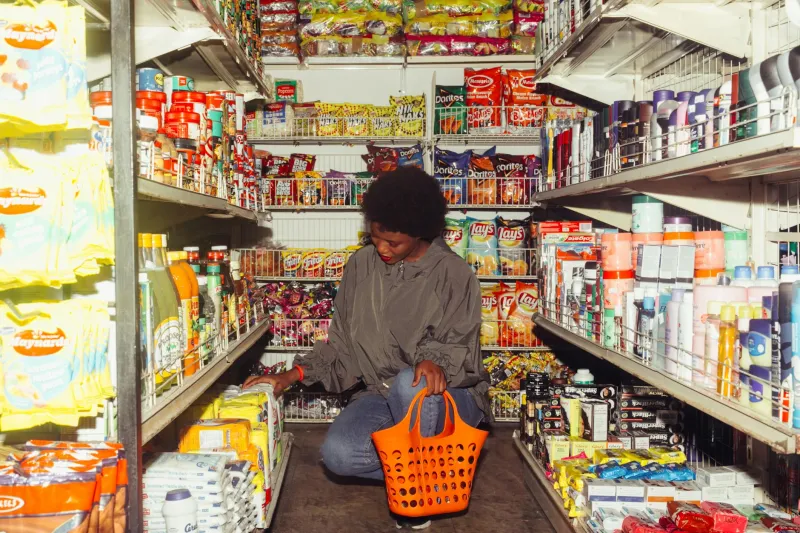
Once you're inside, the real psychological warfare begins. Every single snack item is part of some promotion that makes buying more seem like the financially responsible choice. Two energy drinks for three dollars. Three bags of chips for five dollars. Buy two candy bars and get a third one free.
Suddenly, you're standing in the snack aisle doing mental math that would make your high school algebra teacher proud. "Well, if I buy two bags of Doritos, I'm basically saving money on the third bag. And if I'm getting three bags, I should probably get something to drink. And if I'm getting a drink, I might as well make it two drinks because of the promotion."
This is how you end up with enough snacks to survive a natural disaster when all you came for was twelve gallons of regular unleaded.
The Roller Grill Revelation
Let's talk about the rotating hot food section, because this is where things get really weird. These are not gourmet items. You know this. Everyone knows this. The taquitos have been under those heat lamps since the Clinton administration, and the pizza looks like it was assembled by someone who had only heard pizza described to them secondhand.
But something about the presentation – the way everything slowly rotates like a meaty solar system – makes it all seem incredibly appealing. You find yourself seriously considering whether a convenience store breakfast sandwich counts as meal prep for the week.
The corn dogs are calling to you. They're not even good corn dogs. You've had good corn dogs, and these aren't them. But they're there, they're hot, and they're somehow exactly what you didn't know you wanted at 7:43 AM on a Tuesday.
The Energy Drink Ecosystem
The energy drink cooler deserves its own anthropological study. There are flavors you didn't know existed and brand names that sound like they were generated by a random word algorithm. "Extreme Blast." "Fury Lightning." "Maximum Chaos." These aren't beverages; they're battle cries in liquid form.
You came in planning to maybe grab a coffee, but now you're holding a 24-ounce can of something called "Atomic Thunder" that promises to deliver the caffeine equivalent of seventeen cups of coffee. The label warns that it's not recommended for children, pregnant women, or people with heart conditions, which somehow makes it more appealing.
The Beef Jerky Economics
The beef jerky section is where convenience stores really show their psychological sophistication. A single bag costs eight dollars, which seems insane until you see the sign advertising three bags for twenty dollars. Suddenly, buying three bags feels like you're practically stealing from the store.
Never mind that you've never in your life eaten three bags of beef jerky. Never mind that you don't even particularly like beef jerky. The math says you're saving money, and that's all your impulse-driven brain needs to hear.
You grab three bags of different flavors – original, teriyaki, and something called "blazing inferno" that you'll definitely regret later – because variety is important when you're making questionable financial decisions.
The Checkout Confession
By the time you reach the counter, your arms are full of items you didn't plan to buy, don't particularly need, and probably shouldn't eat. The cashier doesn't judge you. They've seen this before. They've seen this every day for the past six years. You are not unique in your convenience store impulse control failure.
"Find everything okay?" they ask, which is hilarious because you found way more than you were looking for. You found a meal plan, a caffeine addiction, and enough processed meat to feed a small army.
You pay with your card, trying not to look at the total because seeing the number would force you to confront the reality that you just spent forty-three dollars on gas station food.
The Walk of Shame
The walk back to your car is a unique form of self-reflection. You're carrying bags full of items that seemed like brilliant purchases five minutes ago but now feel like evidence of your complete inability to make rational decisions as an adult.
You sit in your car and immediately open the bag of chips because, well, you bought them, and they're not going to eat themselves. The hot dog is still warm, which somehow makes the whole experience feel legitimate. This isn't just impulse buying; this is meal planning.
By the time you pull out of the gas station, you've eaten half of your purchases and are already planning which items you'll save for later. The energy drink will be your afternoon pick-me-up. The beef jerky will be your protein for tomorrow's lunch. This was basically grocery shopping, just more convenient.
The Inevitable Return
The truly tragic part is that this cycle will repeat itself within a week. You'll need gas again, and you'll tell yourself that this time will be different. This time, you'll just pump gas and leave like a responsible adult.
But those hot dogs will still be rotating. Those promotions will still be mathematically irresistible. And that fluorescent lighting will still cast its spell over your decision-making abilities.
Because the truth is, every gas station in America isn't just a place to buy fuel. It's a portal to an alternate dimension where a rotating corn dog constitutes a reasonable breakfast choice and buying three of something you don't want somehow makes perfect financial sense.
And honestly? You're kind of okay with that.