The Petroleum Purgatory: Why Your Gas Pump Runs Slower Than a Windows 95 Startup
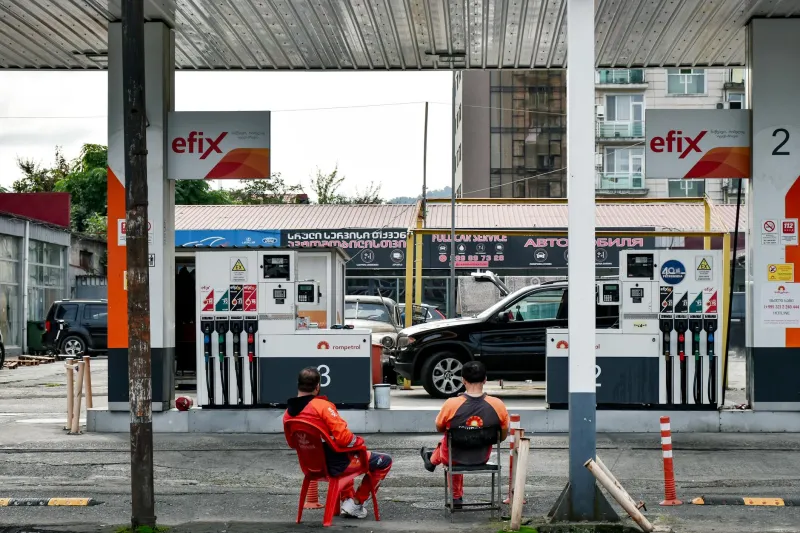
The Universal Law of Pump Selection
There's a cosmic force at work in American gas stations that makes the Large Hadron Collider look like child's play. It's the mystical ability to select, with surgical precision, the one pump in a 12-pump facility that operates at the speed of continental drift.
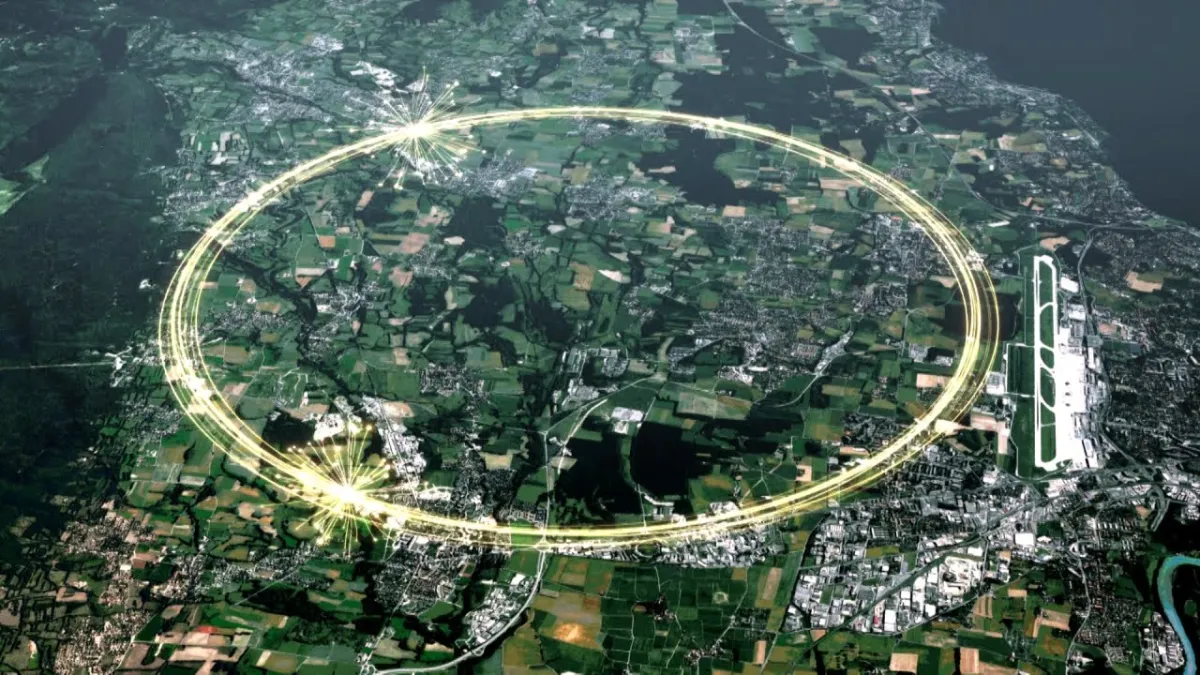 Photo: Large Hadron Collider, via s1.cdn.autoevolution.com
You pull up, confident in your choice. The pump looks normal. The digital display isn't flickering like a haunted house prop. The credit card reader isn't held together with duct tape and the dreams of a thousand frustrated drivers. This is it. This is your pump.
Then you insert your card, and the machine enters what can only be described as a philosophical meditation on the nature of payment processing. Five minutes later, it grudgingly accepts your existence.
The Great Flow Rate Conspiracy
The moment that nozzle enters your tank, you become part of an elaborate physics experiment nobody signed up for. Your pump begins dispensing gasoline at a rate that suggests each molecule is being individually inspected, approved by a committee, and then gently coaxed through the hose with encouraging whispers.
Meanwhile, every other pump in your peripheral vision is operating like industrial fire hoses. Cars are pulling up, filling up, and driving away while you're still watching your total creep from $0.00 to $0.47 over the course of what feels like a geological epoch.
The guy at pump 6 has filled his tank, bought a sandwich, called his mother, and solved world hunger while you're standing there holding a nozzle that's apparently powered by a hamster on a smoke break.
The Commitment Paradox
Here's where it gets psychologically interesting. You're now trapped in what behavioral economists would call the "sunk cost fallacy," except instead of money, you've invested your dignity and approximately seventeen minutes of your life.
Do you abandon ship and move to another pump? But what if this one suddenly kicks into gear the moment you give up? What if the new pump is even slower? What if there's a hidden camera show documenting people who can't commit to basic petroleum purchases?
So you stay. You become one with the pump. You develop a relationship with the digital display that's more intimate than most marriages. You start recognizing the specific rhythm of its clicks and whirs like it's your pump's heartbeat.
The Phantom Click Phenomenon
Every thirty seconds, your pump makes a sound. Not the satisfying "click" of completion, but a teasing little "click" that suggests maybe, possibly, it's thinking about working properly. You perk up like a dog hearing a treat bag. This is it! The breakthrough moment!
Nope. False alarm. The pump was just stretching. Getting comfortable. Reminding you that it's still there, still technically functioning, still committed to this marathon of mediocrity you're both participating in.
You start developing theories. Maybe if you squeeze the handle differently. Maybe if you lift the nozzle slightly. Maybe if you perform a small dance or offer a sacrifice to the petroleum gods. You try everything except the one obvious solution: accepting that you have chosen poorly and must live with the consequences.
The Social Dynamics of Slow-Pump Shame
By now, you've become a landmark. Other drivers are using you as a reference point. "I'll take the pump two spots down from the guy who's been there since the Clinton administration."
You make eye contact with the driver at pump 4 who just pulled in. There's a moment of connection, a brief acknowledgment of your shared humanity. Then they finish filling their tank, pay, and drive away while maintaining uncomfortable eye contact, leaving you to contemplate your choices.
The worst part? You start calculating whether you have enough gas to make it to another station. But you're already committed. You're pot-committed to this pump, this relationship, this slow-motion disaster.
The Final Surrender
Eventually, your tank reaches full, not because the pump worked efficiently, but because time is a flat circle and all things must end. You've been here so long that you've witnessed the changing of the seasons, the rise and fall of civilizations, and at least three different shifts of gas station employees.
As you finally drive away, you glance in your rearview mirror and watch the next victim pull up to your former pump. You want to warn them. You want to roll down your window and shout, "It's not you, it's the pump!" But you don't. Some lessons can only be learned through direct experience.
And deep down, you know the truth: tomorrow, when you need gas again, you'll pull into a different station, survey all the available pumps, and with the confidence of someone who has learned absolutely nothing from experience, you'll choose the slowest one again.
Because that's exactly what happens.